Kolos engineering – Safe solutions for lifting and subsea
Kolos offers a comprehensive range of engineering services within lifting equipment and subsea, with a strong focus on safe design, documented quality, and optimal functionality in demanding environments. Our deliverables combine hands-on experience from heavy industry and offshore projects with structured engineering methodologies and modern design and analysis tools.
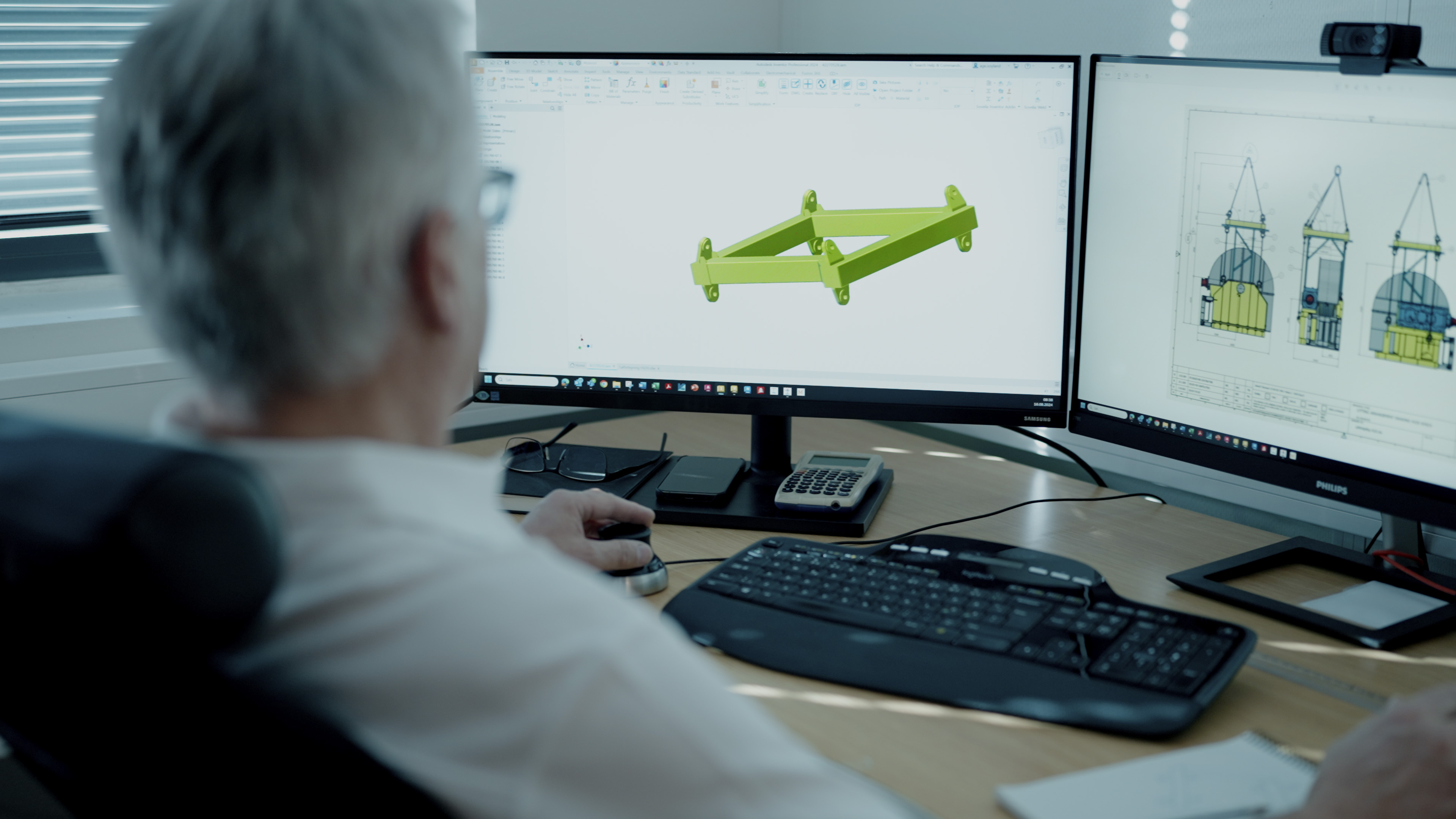
Lifting Equipment – From Concept to Certifiable Solution
Within lifting equipment, Kolos supports new designs, modifications, and verification of existing systems. All work is carried out in accordance with applicable standards and regulatory frameworks, including:
- NS‑EN 13155 – Cranes – Safety – Non‑fixed load lifting attachments
- NS‑EN 13001 series – Crane design
- ISO 9927 – Inspection of cranes
- ISO 4301 / ISO 4308 – Classification of cranes and mechanisms
- NORSOK R‑002 – Safe use and design of lifting equipment (offshore)
Our services include, but are not limited to:
- Conceptual and detailed design of lifting equipment
- Load calculations, FEM analyses, and material selection
- Design optimized for workshop and field-friendly fabrication
- Documentation packages, user manuals, and lifting procedures
- Preparation for third‑party verification (DNV, ABS, etc.)
Subsea Engineering – Engineered for Harsh and Demanding Environments
Kolos offers specialized engineering services for subsea lifting equipment used in installation, operation, and maintenance under extreme conditions. By combining expertise in mechanical design, structural integrity, and corrosion protection, we develop robust, reliable, and operation‑ready solutions for subsea applications.
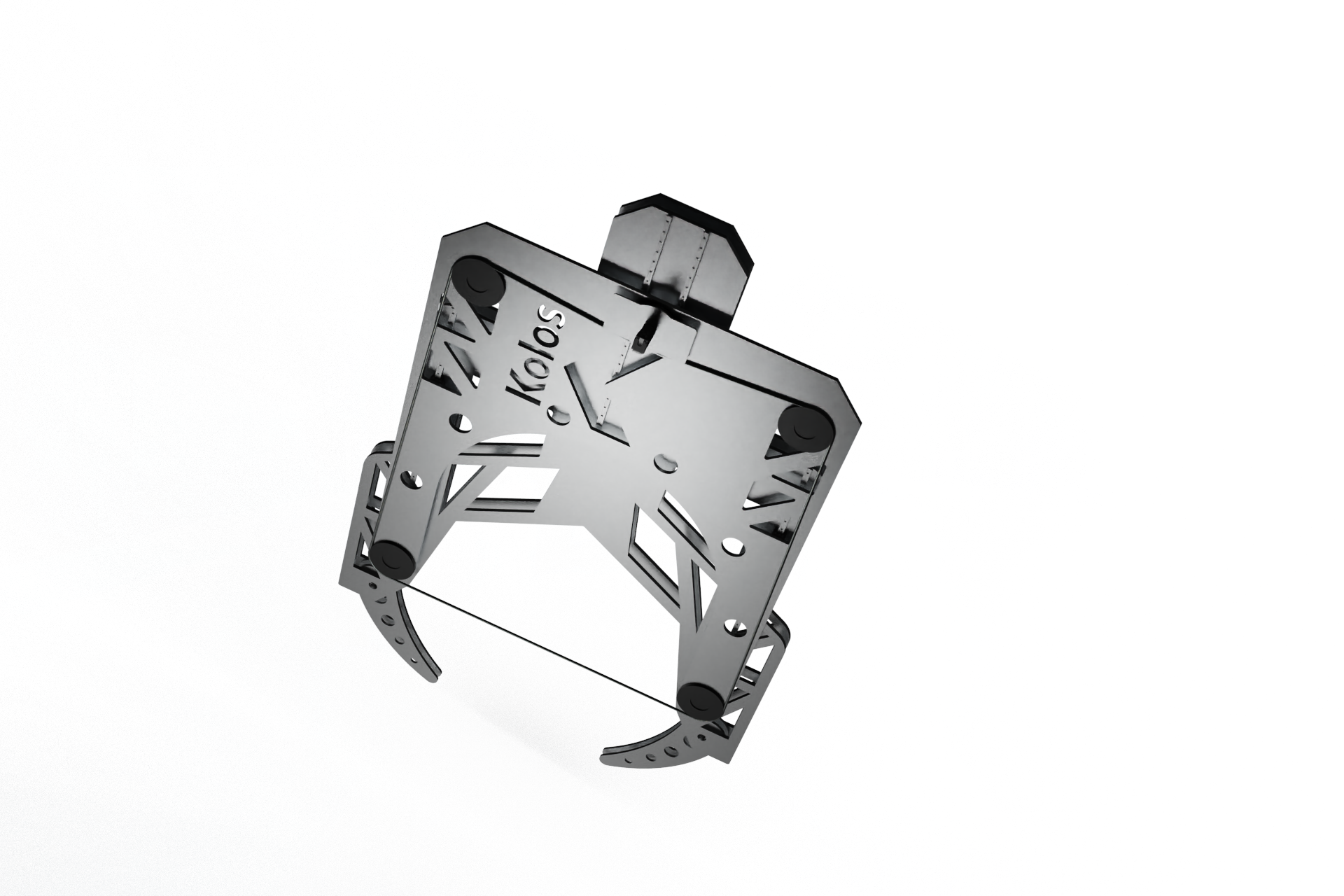
Applicable Standards and Engineering Basis
Kolos applies recognized international and offshore standards to ensure safe, robust, and certifiable subsea solutions. Engineering activities are typically governed by:
- DNV‑ST‑N001 – Requirements for marine operations and marine warranty surveys
- DNV‑RP‑C203 and C205 – Fatigue assessment and hydrodynamic loading
- API 17 series – Design, qualification, and verification of subsea equipment
- NORSOK U‑001 and U‑003 – Subsea systems and material requirements
Our Subsea Engineering Services
Kolos provides end‑to‑end subsea engineering services, including:
- Engineering design and verification of subsea frames, deployment systems, installation jigs, and operational tooling
- Hydrodynamic load evaluations for installation and operational phases
- Structural FEM analyses and material assessments considering pressure, temperature, and corrosion
- Designs optimized for safe ROV operation, HSE compliance, and operational ergonomics
- Preparation of complete documentation packages for FAT, SIT, and offshore deployment
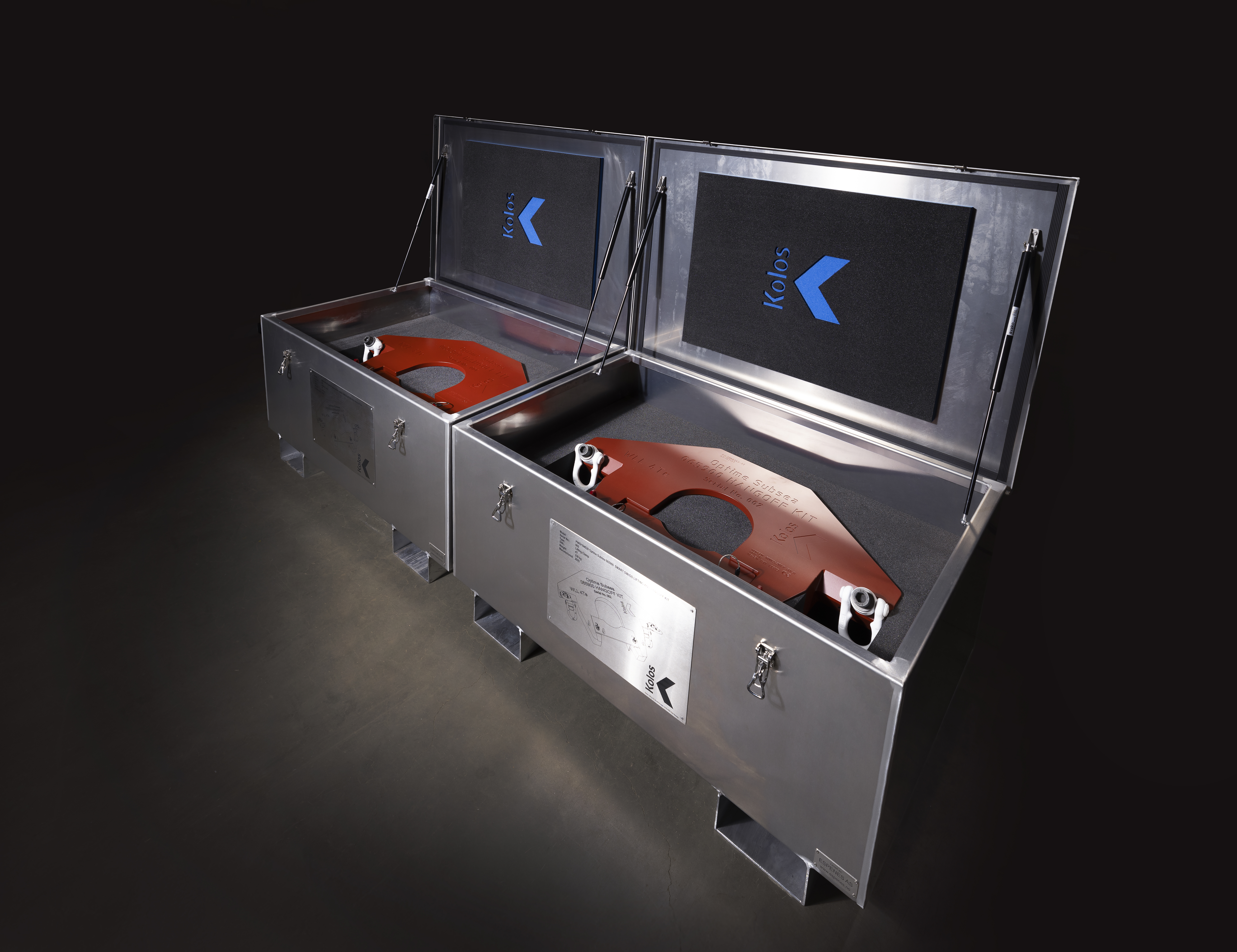
SDLA – Special Designed Lifting Accessories for Critical Drilling Operations
SDLA are purpose‑built lifting accessories designed for specific loads and operations within drilling and well activities, where standard lifting solutions are inadequate. Due to their application‑specific nature, SDLA are classified as D7 lifting equipment in accordance with NORSOK R‑002, reflecting the criticality and risk associated with their use.
Kolos delivers SDLA solutions that meet stringent regulatory and industry requirements, ensuring safety, traceability, and operational reliability throughout the equipment lifecycle.
Standards and Regulatory Requirements
SDLA equipment is designed, manufactured, and delivered in accordance with NORSOK R‑002, relevant parts of the Machinery Directive, and applicable ISO and API standards, including ISO 13535 and API 8C. These requirements are primarily directed toward the manufacturer and specify requirements related to design, dimensioning, construction, and technical documentation of lifting equipment.
Requirements governing the safe use, operation, maintenance, and periodic inspection of lifting equipment are defined in NORSOK R‑003, which is directed toward the user and competent bodies. API RP 8B provides recommended practice for maintenance and inspection of lifting equipment and is relevant as guidance for both users and competent inspection bodies throughout the operational phase of the equipment.
Classification of the equipment as D7 entails enhanced requirements for safety level, documentation, and control, applicable during both the design and operational phases throughout the entire service life of the equipment.
Purpose‑Driven Design and Technical Documentation
Each SDLA is designed for a clearly defined operational purpose and delivered with complete technical documentation, including user manuals, certificates, declarations of conformity, and documented design verification (DVR where required).
Inspection Readiness and Lifecycle Management
Our SDLA designs support efficient first‑time and periodic inspections by competent D7‑authorized inspection bodies, ensuring compliance throughout the equipment’s operational lifetime.
Safe and Predictable Operation
Defined requirements for marking, inspection intervals, discard criteria, and maintenance support safe, controlled, and predictable use in high‑risk lifting operations.
Through this structured approach, Kolos ensures that SDLA equipment meets D7 requirements, provides full lifetime traceability, and minimizes risk in critical drilling and well operations.